Is the 60-40 Portfolio Dead?
By Matthew Lloyd (Director of Operations)
Reviewed and approved by James McKnight (Founder & CEO, Registered Portfolio Manager) — “The Prophet of Profit”
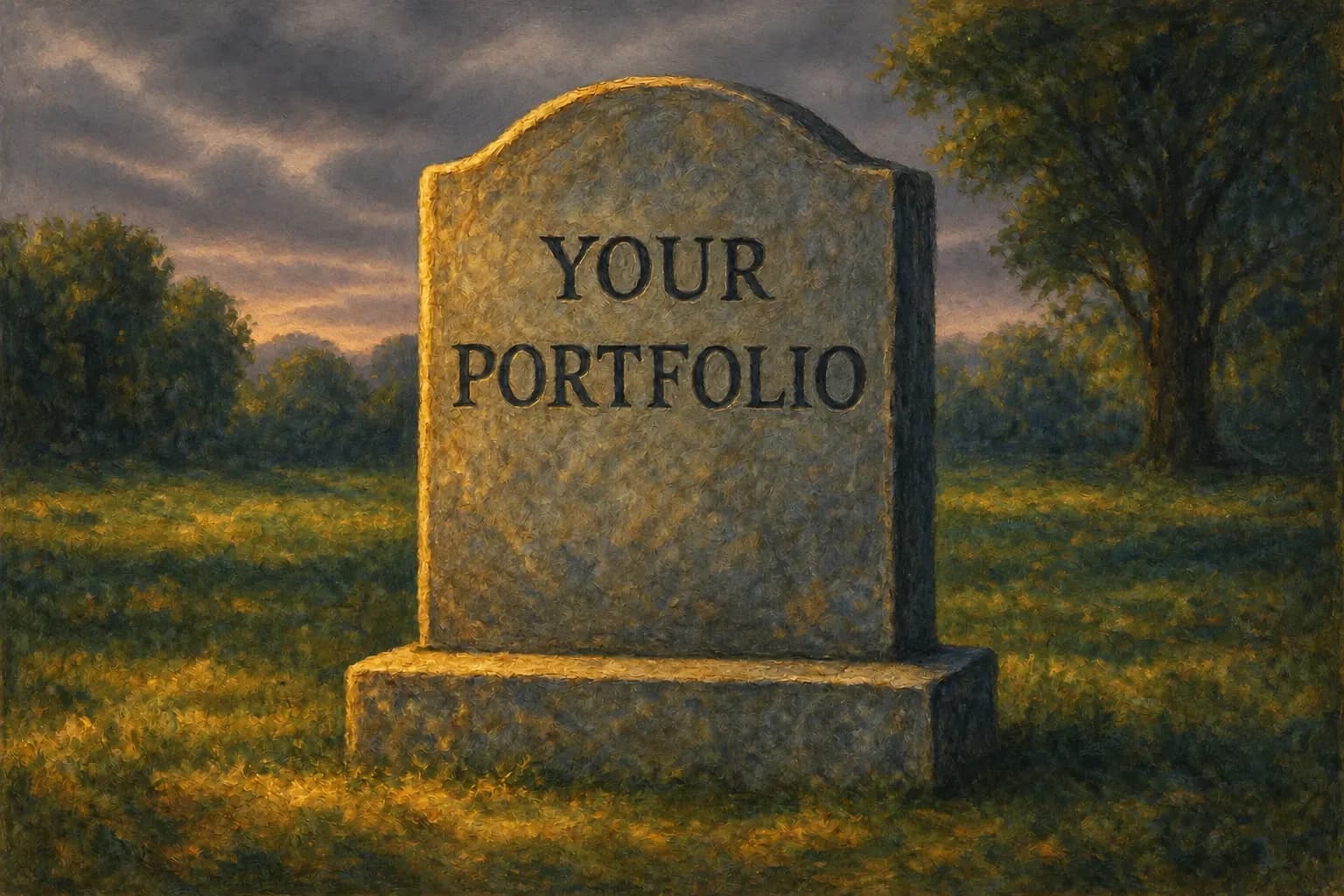
“A new scientific truth does not triumph by convincing its opponents and making them see the light, but rather because its opponents eventually die and a new generation grows up that is familiar with it.”
- Max Planck
Financial Mac and Cheese
The 60/40 portfolio—60% equities, 40% bonds—is the mac & cheese of investing. Warm, familiar, and endlessly beloved by advisors. But comfort isn’t the same as nutrition. What feels safe on your plate may be starving your returns.
For decades, investors were told to pile into this supposedly wise mix: stocks for growth, bonds for ballast. And it worked—once. For decades, bonds actually paid you to own them. You weren’t paid lavishly, but at least you were being paid! It was a golden age of fixed income. You could hold a pile of bonds and feel reasonably clever about it.
But lately, investors have been punished for their loyalty to this stale strategy. Over the past decade, bonds have been little more than filler—delivering just a 1.85% annualized return (as of Sept 5, 2025).
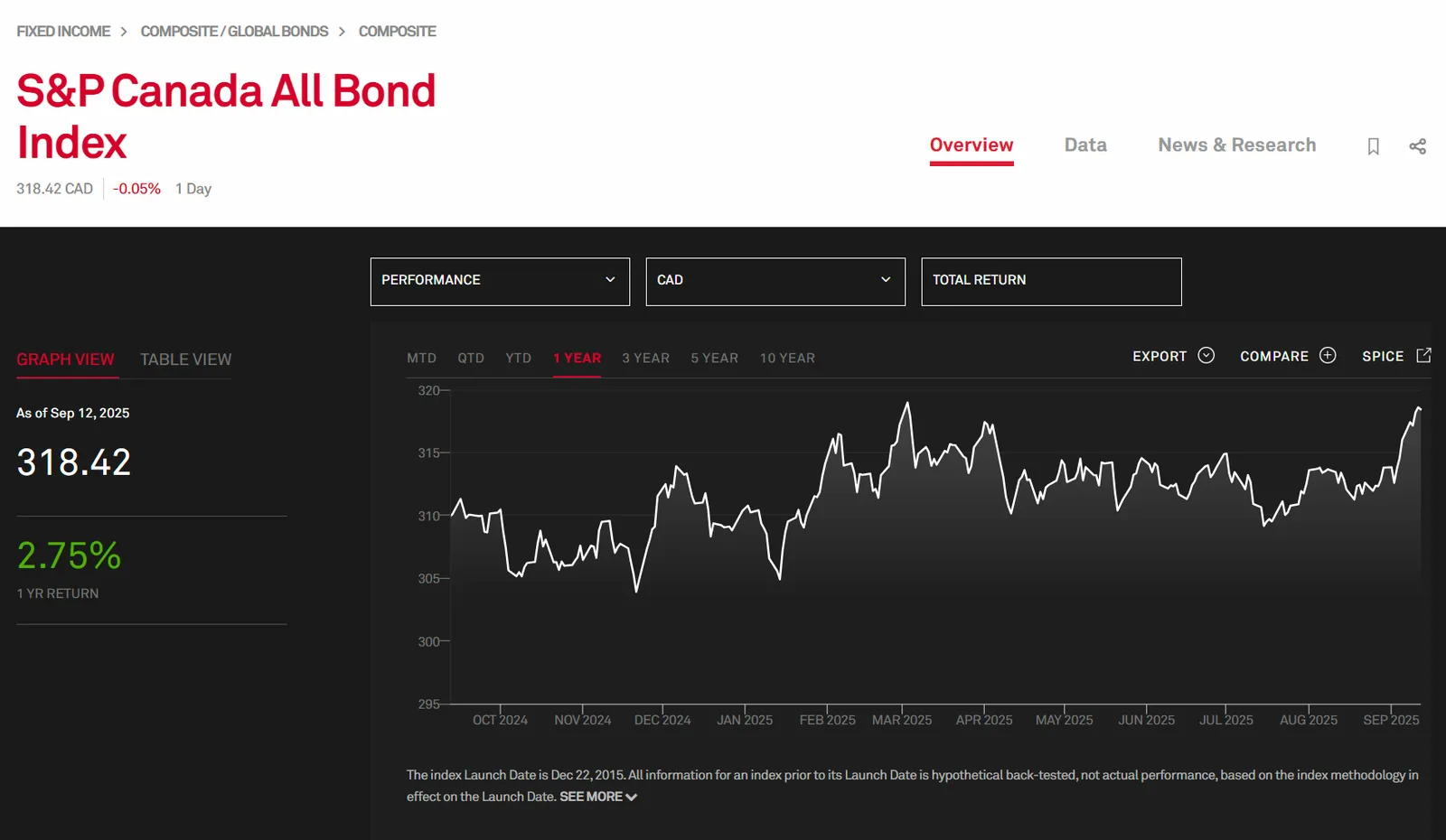
Source: S&P Global
After inflation you may be paying for the privilege of owning bonds!
Where Do Stale Investment Ideas Go to Die?
If 60/40 looks stale, that’s because it is. So why is it still on the menu?
Max Planck, the father of quantum theory, famously said science advances one funeral at a time—because old experts rarely change their minds. Just as Newtonian physics dominated his era, the 60/40 portfolio has dominated textbooks and lecture halls for decades.
This old recipe endures not because it outperforms, but because it’s seen as safe. Regulators like it, compliance departments approve, and most clients don’t think to challenge it. Everyone feels safe—everyone, except, perhaps, your retirement savings.
The Canadian Story
Now consider the real return growth trends of stocks versus bonds from 1919 to 2019:
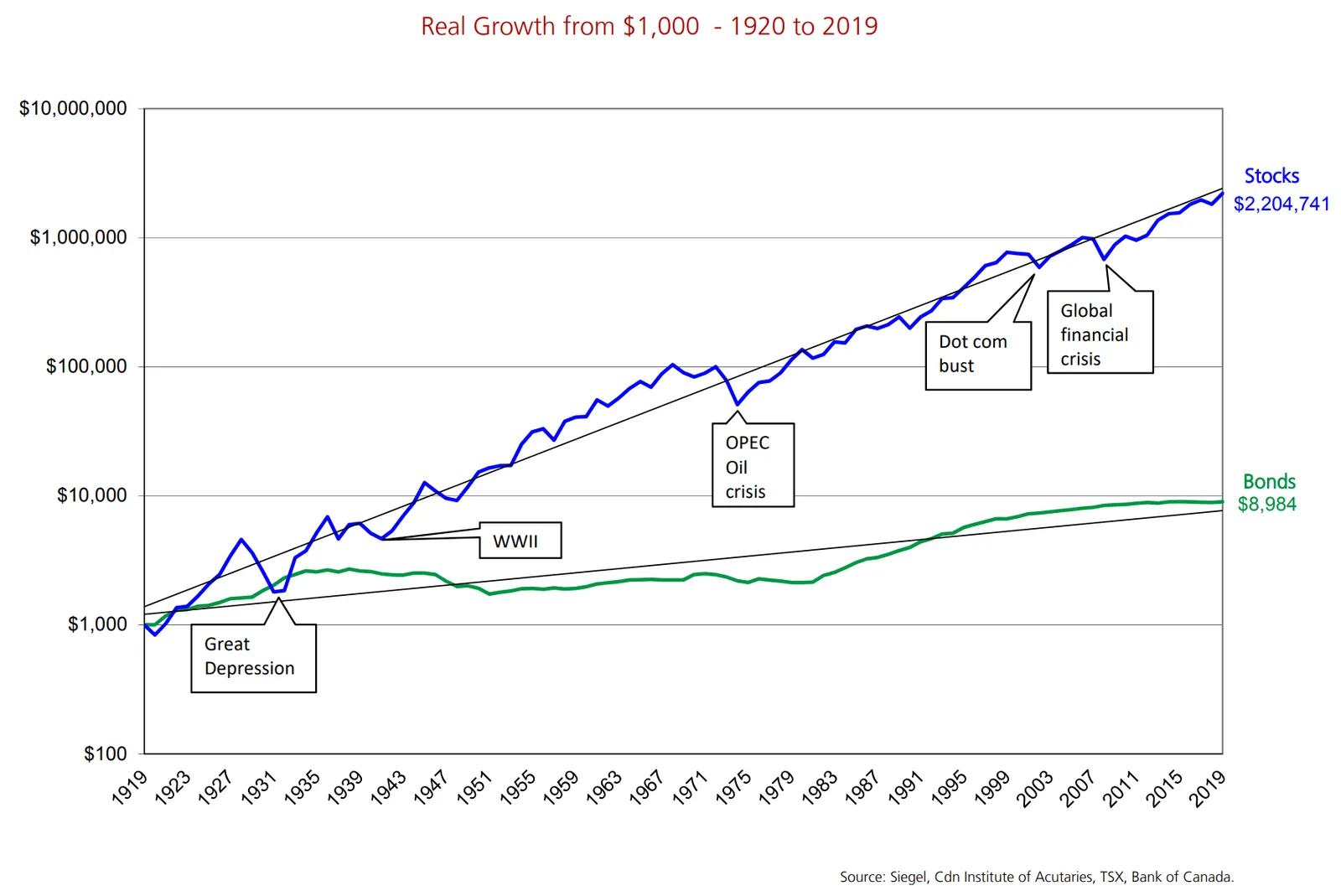
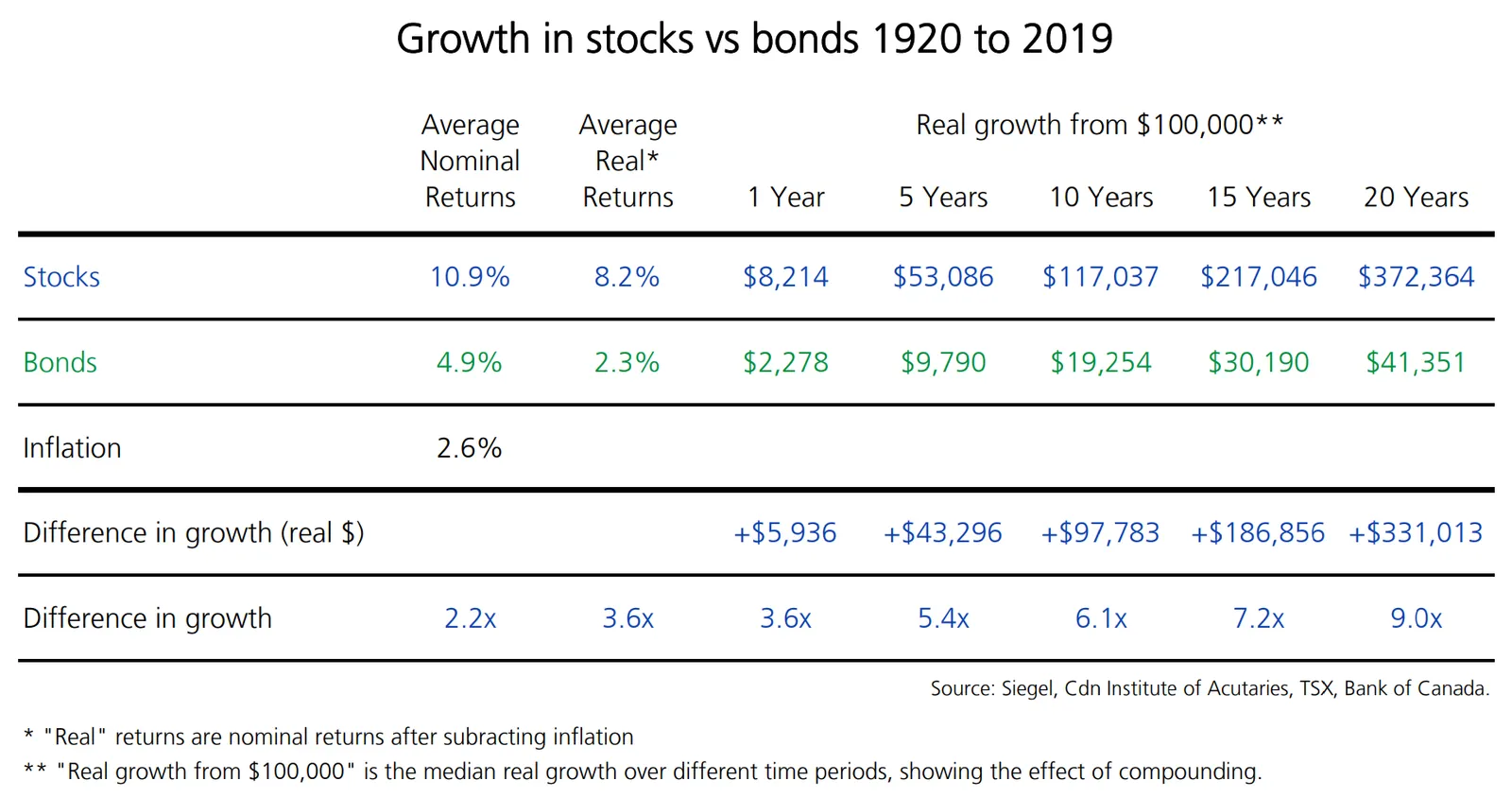
Source: Wood Gundy
That’s right: from 1920 to 2019, the real return (in Canadian dollars) from an equal-weight mix of U.S. and Canadian stocks was about 8.2%—versus just 2.3% for Canadian bonds.
Full disclosure: the exact indexes aren’t specified, so don’t sweat the decimals. The key takeaway is simple: study after study shows that, over the long run, stocks outperform bonds by a wide margin.
The Global Story
For anyone wondering if this applies across countries, here’s another study with an international flavor:
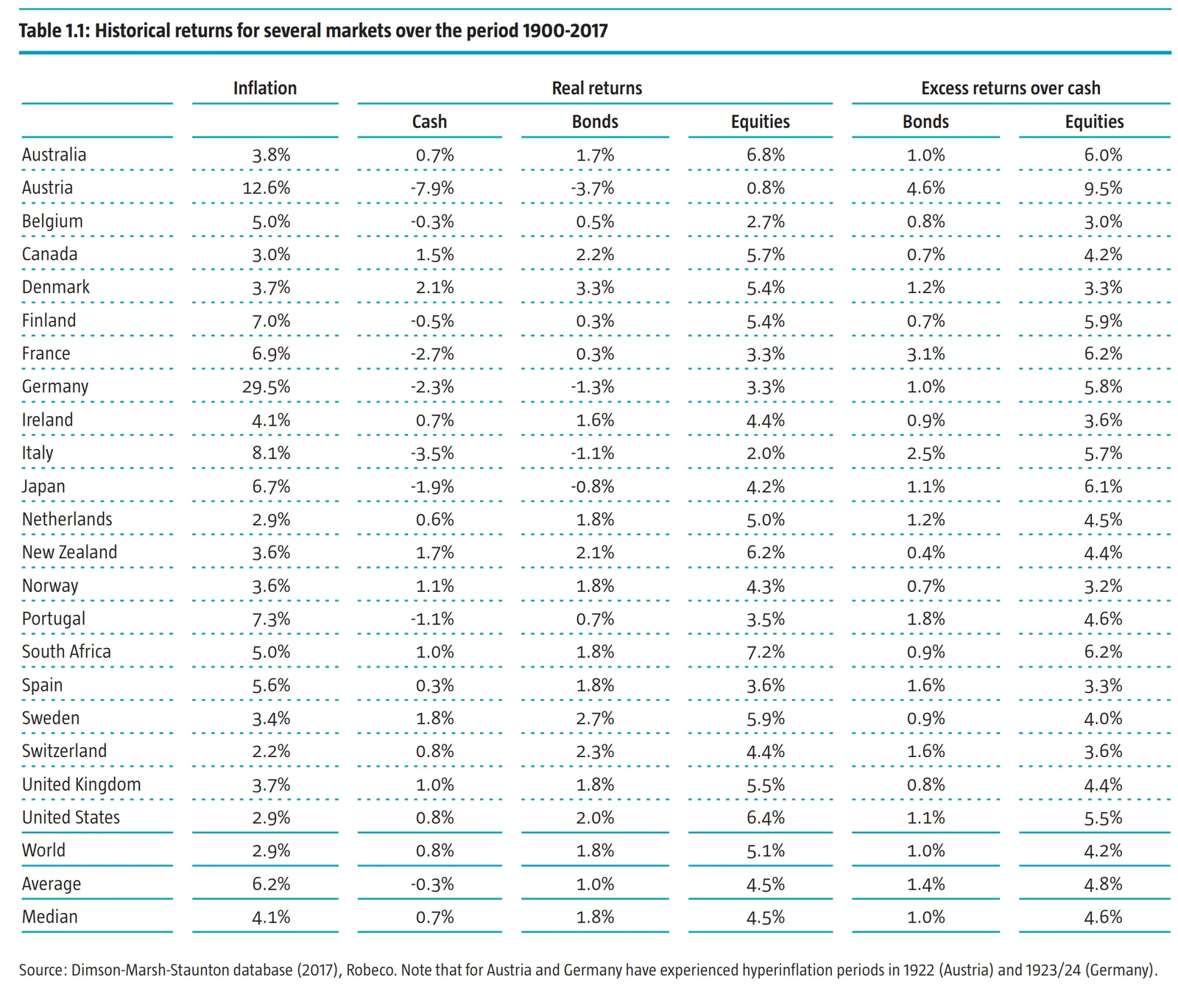
Source: Robeco
And remember, both studies omit the most recent years, when inflation hammered bond returns. Include those years, and the gap would be even wider. As a rule of thumb, equities have delivered more than triple the long-term real returns of bonds.
Two-Stepping On Your Retirement Plan
Once upon a time, bonds earned their keep. Even with lower returns, they could be justified because when stocks went up, bonds went down, and vice versa. But recently the price of stocks and bonds has been rising and falling together, weakening the diversification investors rely on:
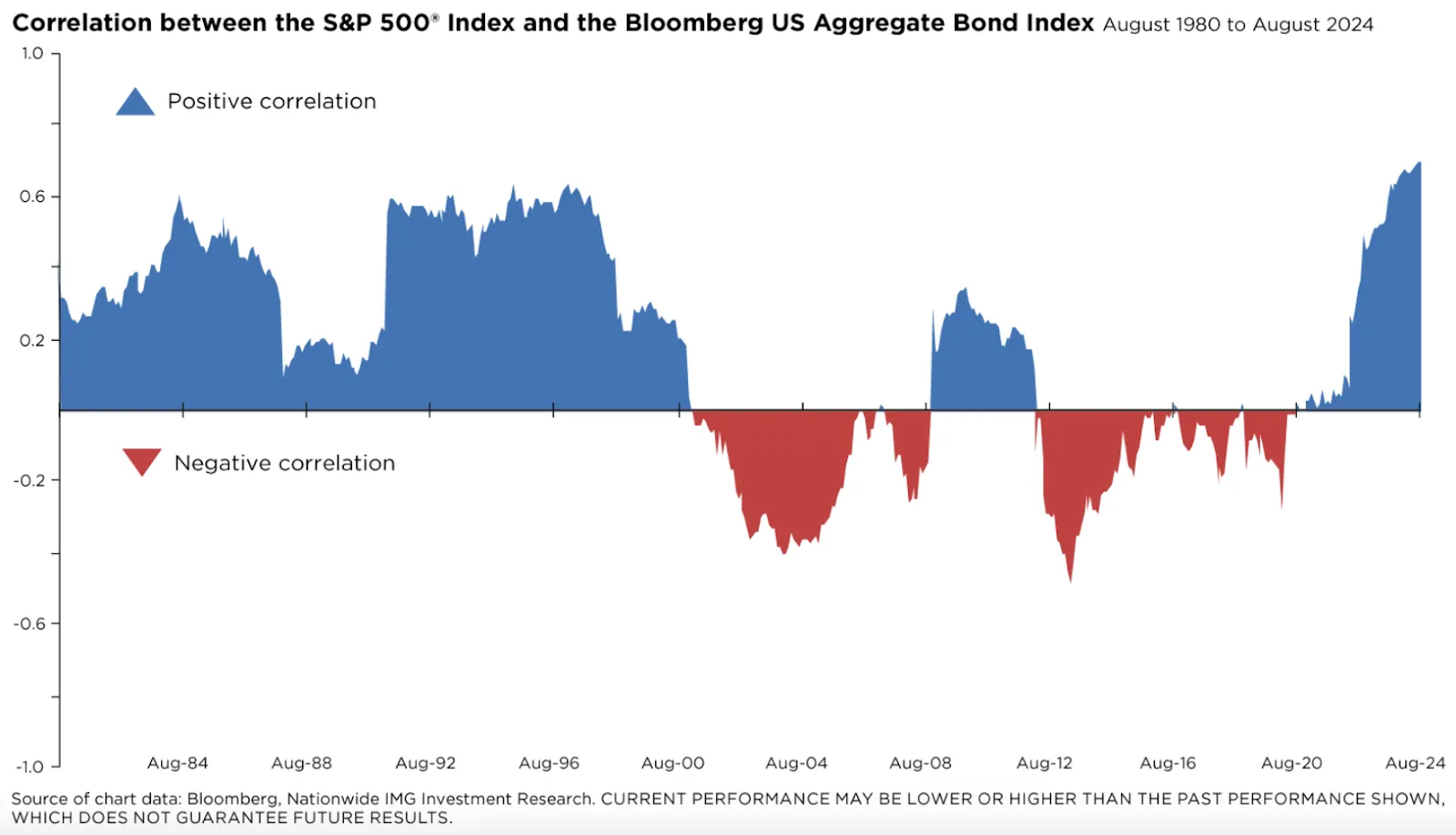
Source: Advisor Advocate Blog
See all that blue? That’s stocks and bonds moving in sync—like dance partners stepping on your retirement plan.
When Bonds Deserve a Seat at the Table
Let’s be fair: bonds aren’t always useless. They can calm jittery investors, provide cash for opportunistic buying, and help retirees avoid selling stocks at market bottoms. They may also suit conservative investors willing to accept lower returns—and the retirement trade-offs that come with them.
But if you don’t need to sell big chunks of your portfolio to pay the bills, and your real goal is growing wealth over the long run, then it’s fair to ask: are bonds earning their place in your portfolio? Your strategy should fit your goals, risk tolerance, and time horizon. Sometimes that overlaps with the finance-professor playbook, but often it doesn’t.
How We Build Wealth Without the Filler
At Wealth Preservation Management, we don’t feed our clients empty calories. We build concentrated, equity-driven portfolios. No mac & cheese, no babysitting dead money—just a disciplined, long-term strategy to grow your wealth. Click here to see our results.
If you’re fed up with 60/40 portfolios and stale strategies that don’t suit your goals, let’s talk.
Ka-ching, the check is in the mail.