When Was the Last Time Your Advisor Said “I Was Wrong”? We Did—About Google.
By Matthew Lloyd (Director of Operations)
Reviewed and approved by James McKnight (Founder & CEO, Registered Portfolio Manager) — “The Prophet of Profit”
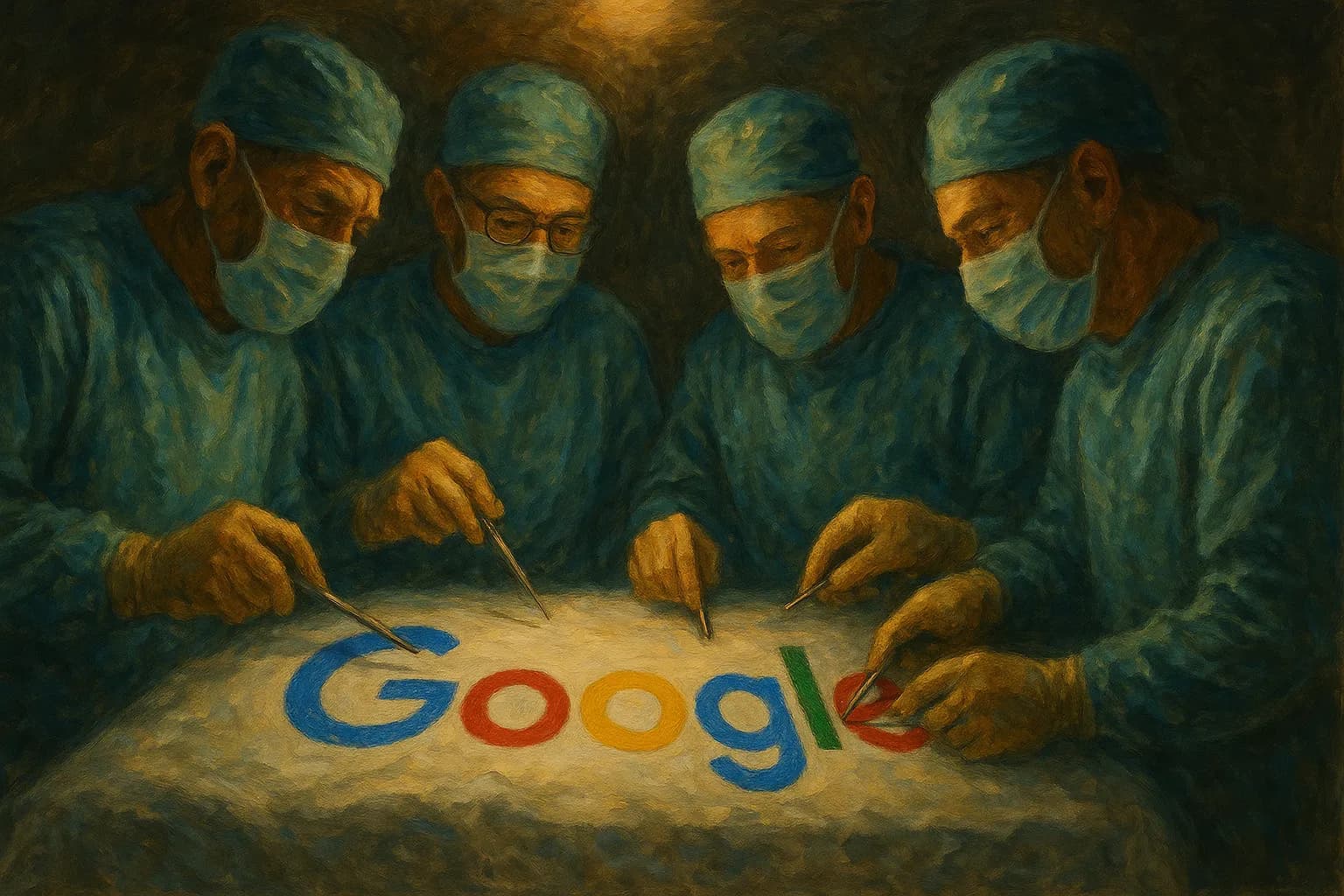
“It ain’t what you don’t know that gets you into trouble. It’s what you know for sure that just ain’t so.”
—Mark Twain“If you want to improve, be content to be thought foolish and stupid.”
—Epictetus
Every Investor Gets It Wrong. Not Every Investor Learns.
The hardest part of investing isn’t being wrong—it’s staying honest about it. Nobody gets every trade right. The real difference is whether you track the miss or bury it. At Wealth Preservation Management, we prefer an autopsy to amnesia, and what better excuse for a blog than a mea culpa?
When we sold Alphabet (Google), it made sense on paper. We believed the story had changed: growth slowing, costs rising, competitive pressure building. On balance, the risks looked greater than the rewards. Then Google went up: a lot.
There’s no putting lipstick on this particular pig. But this isn’t self-flagellation; it’s accountability. Great investing isn’t about avoiding mistakes—it’s about not wasting them. Here’s what we believed, what reality delivered, and what we learned from the gap.
The Death of Search Was Greatly Exaggerated
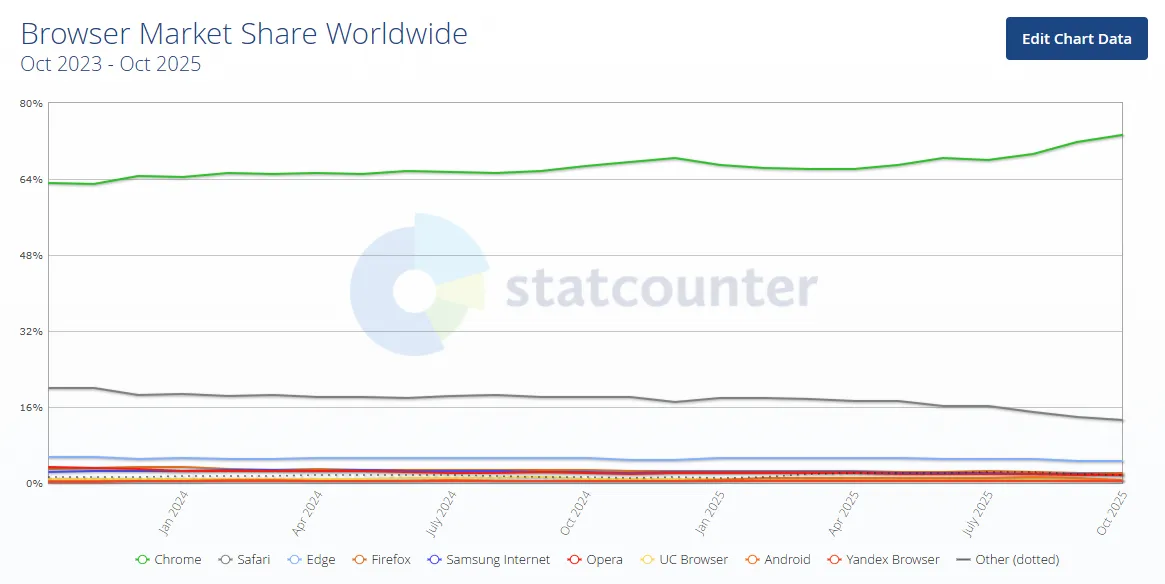
We thought AI might finally dent Google’s dominance. It hasn’t. For all the talk about AI killing search, Google seems to have missed the obituary. Chatbots are changing how people ask questions, not where they ask them. Over the past year, Google’s share of global search actually rose—from 90.0% to 90.38%. By adding AI to its core engine, Google appears to have turned a threat into a tailwind.
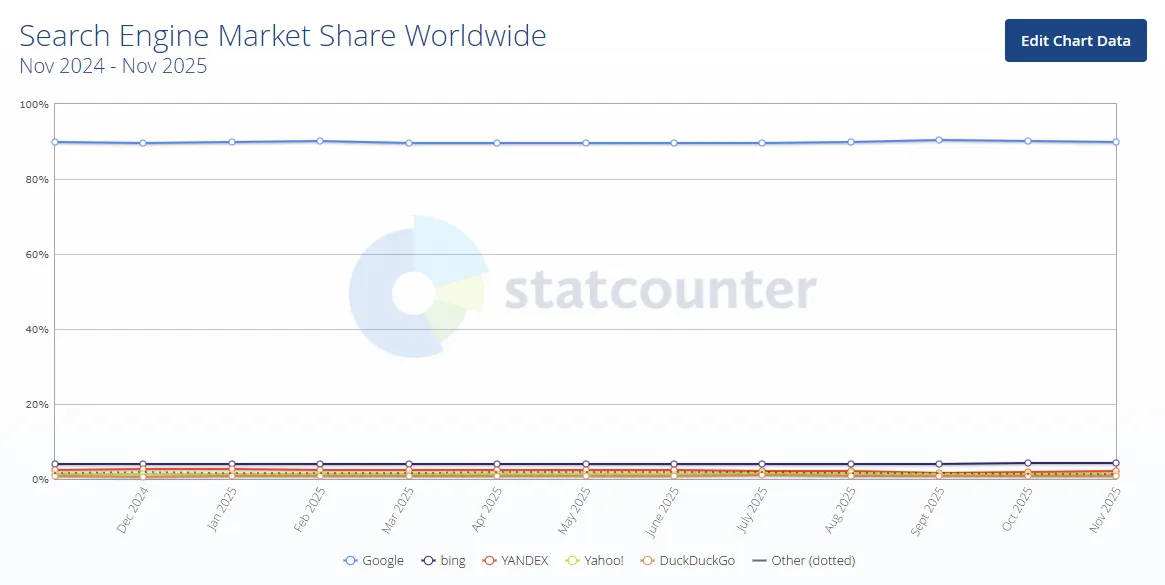
Source: Statcounter GlobalStats
And that $20-billion-a-year Apple deal? Still solid. Search revenue is growing at its fastest pace in more than three years. So much for the death of search—Google’s still the web’s front door, and the world is still knocking.
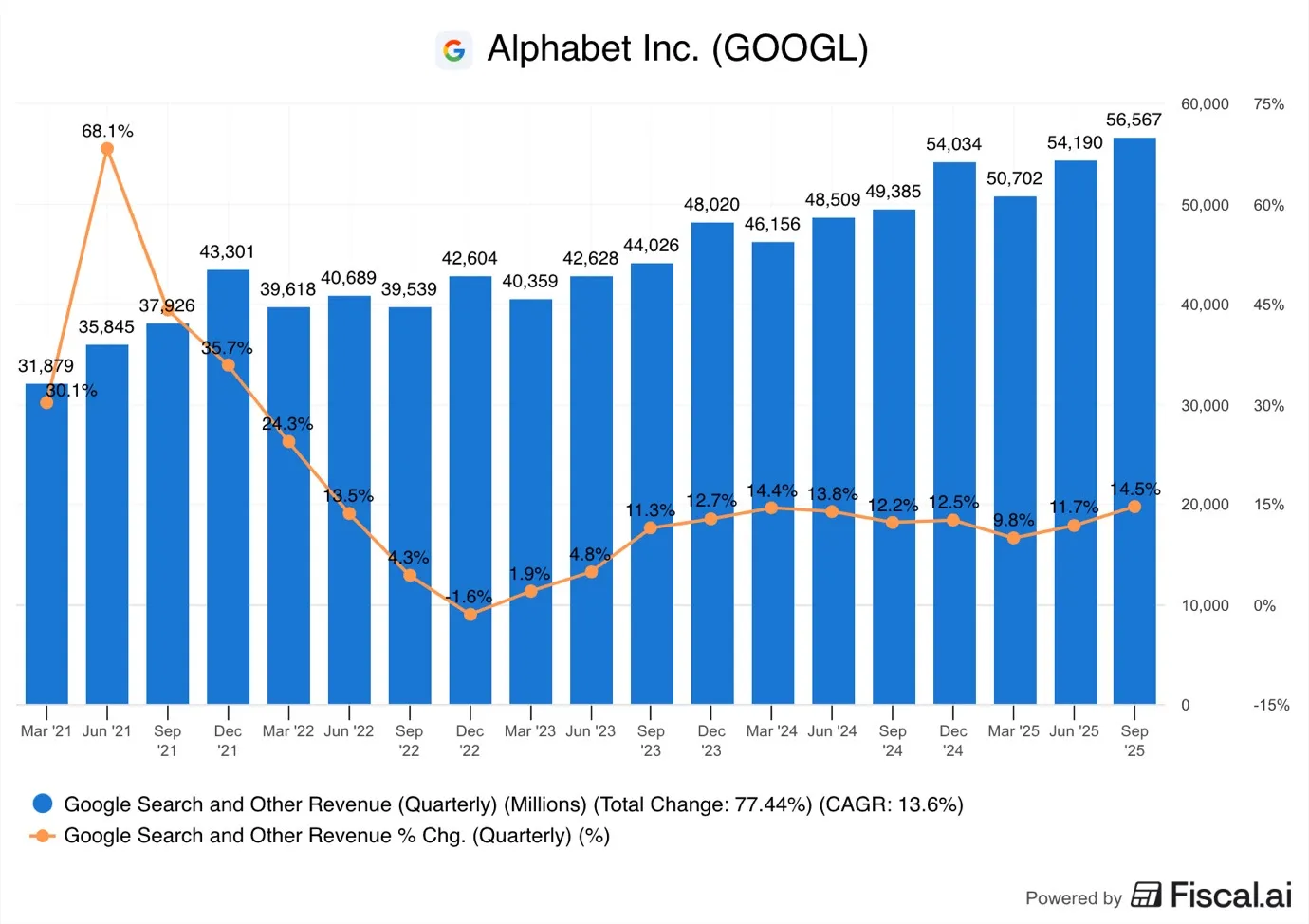
Source: Global Equity Briefing
Breaking Up Is Hard to Do—Especially with Google
We expected regulators to swing a hammer at Google’s dominance. Instead, they arrived with a rubber mallet. The company won’t be broken up; at most, it has to share a bit of data and tweak a few default-search deals. Big deal. Google’s moat still holds—fed by data, scale, habit, and trust. You can’t regulate muscle memory—or remove “google” from Webster’s. Advertisers, as ever, follow where attention flows.
From CapEx to Cash Flow: Google Finds Religion
Next, we worried that Google’s ballooning data-center costs would smother profitability. Instead, the company pulled off what few giants do: it grew and got leaner. Net income rose 33%, EPS 35%, and free cash flow 39% year over year. Google Cloud’s operating margin didn’t just improve—it exploded, climbing from 3% to 24% in two years:
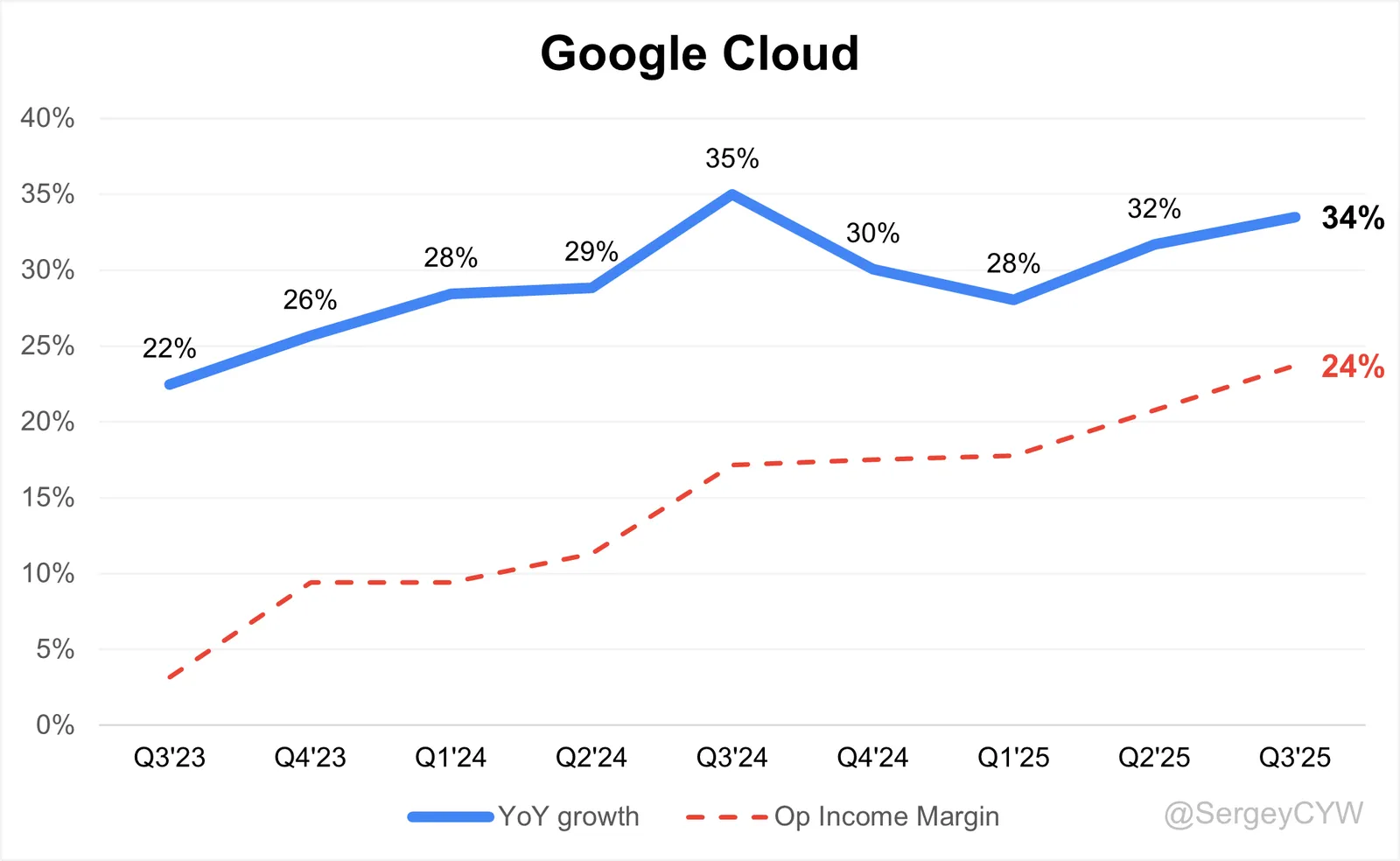
Source: Compounding Your Wealth
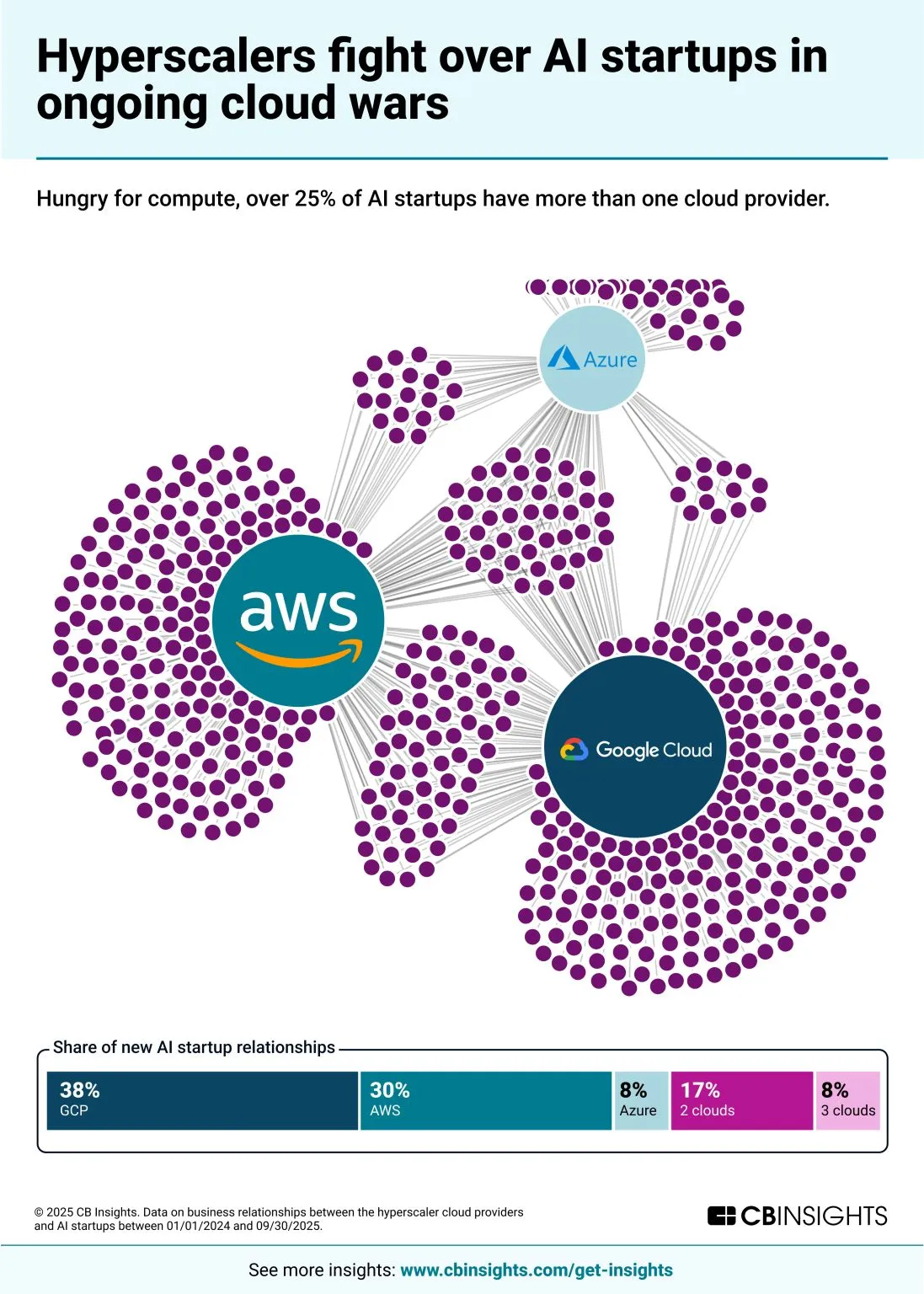
Today, the division powers nine of the ten largest AI labs—the canaries in the coal mine for market leadership—and has aspirations of catching AWS and Azure. Its backlog has surged 46% to $155 billion. A company we believed had lost its hunger is back at the table.
Source: Jason Saltzman/CB Insights
AI Wars: The Empire Strikes Back
We worried that Google was falling behind in AI—that ChatGPT had stolen its mojo and that the company had forgotten how to turn big ideas into things people actually use. Instead, the opposite happened. Gemini, Google’s AI suite, has exploded to 650 million monthly active users—up threefold in a single quarter and twentyfold year over year (as of Q3 2025).
ChatGPT may still wear the crown in raw user numbers, but Google owns the kingdom: Search, YouTube, Maps, Gmail, Chrome, Android—the infrastructure of the digital world. AI isn’t a side project at Google; it enhances every corner of the business.
Unlike OpenAI, which is still building its commercial foundations, Google already sits atop a trillion-dollar ecosystem primed to monetize intelligence at scale. Every query, click, and map becomes training data; every integration tightens the loop between product and profit.
Source: Statcounter GlobalStats
Call it institutional caution or bureaucratic drag, but Google—the firm that pioneered the transformer architecture behind large-language models (LLMs)—let a rival steal the spotlight. Now it’s using its scale to take back the stage.
From Kittens to Kingdoms: YouTube’s Quiet Conquest
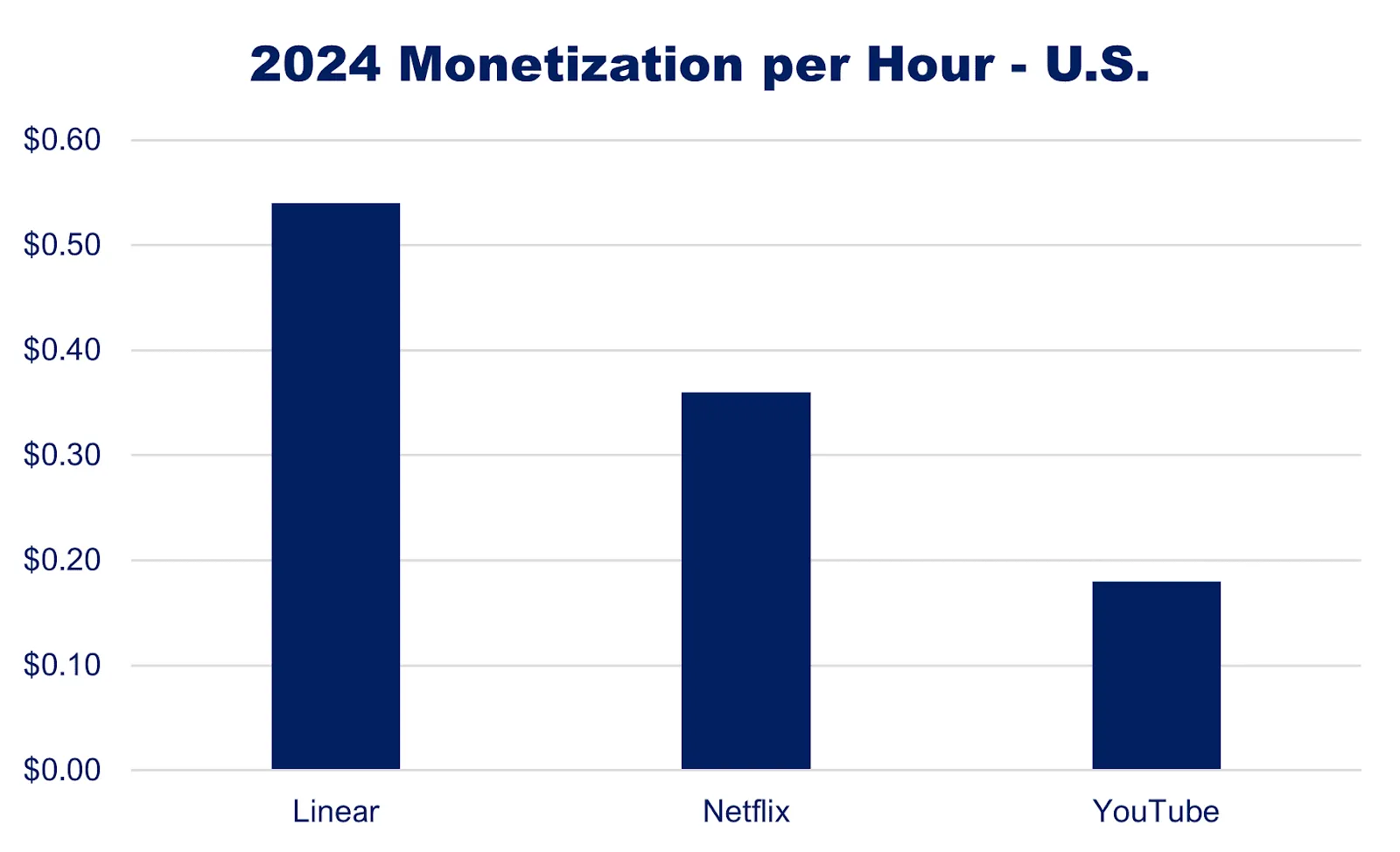
Then there’s YouTube, the largest broadcaster on earth—and it doesn’t produce a single show. We used to think YouTube was undercharging the world for its attention. We still do, but the world keeps watching, and that gap is starting to look less like failure and more like room to run.
Source: The Mediator
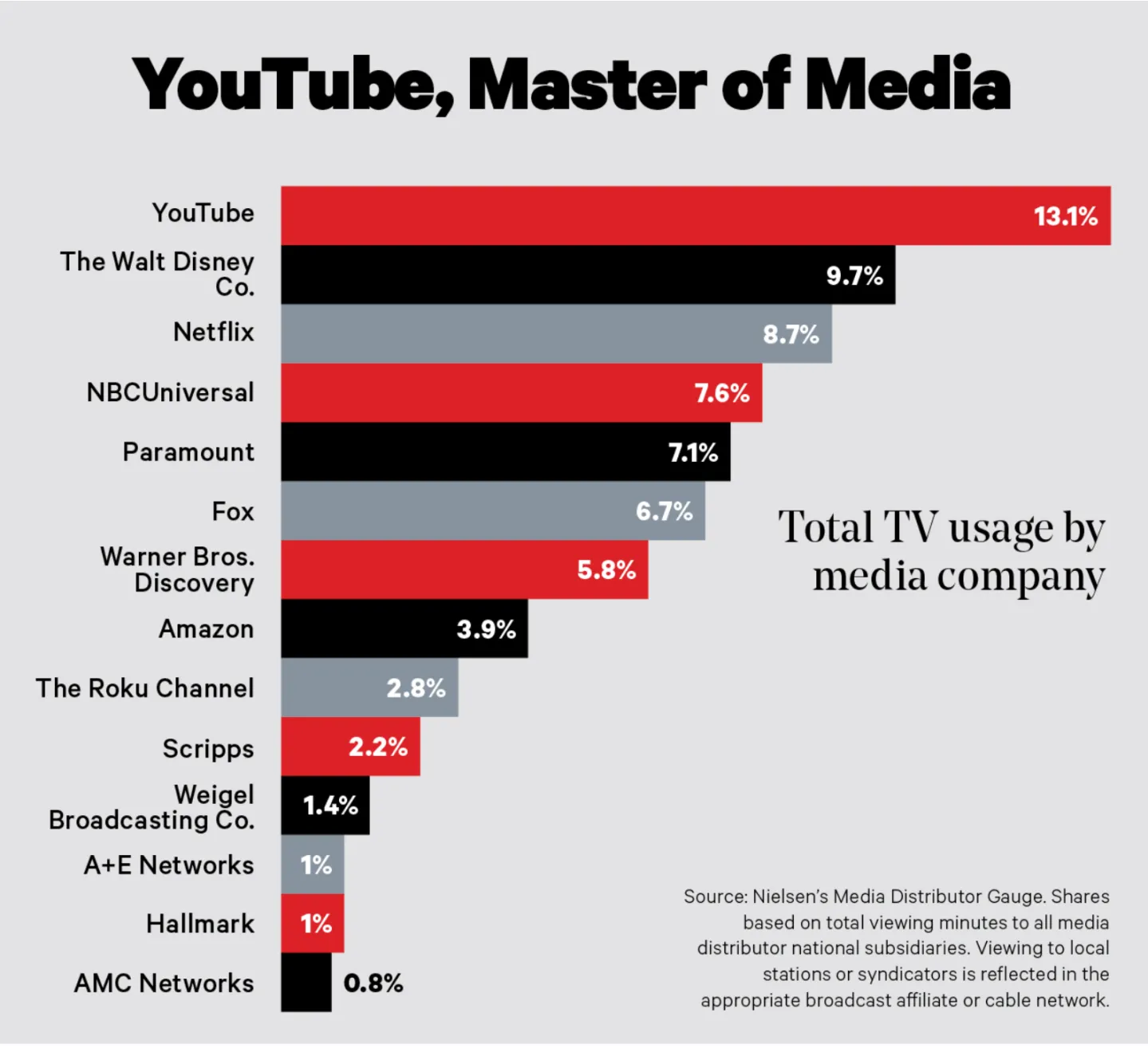
Today, YouTube commands 13.1% of total U.S. television viewing, compared to Netflix’s 8.7% (as of Nov 1, 2025). It’s #2 in the U.K., trails no one in India, Brazil, or Indonesia, and continues to gain share almost everywhere else.
Source: Mediapolicy
YouTube is poised to overtake Netflix in annual revenue for the first time in 2025.
Source: Business Wire/Omdia
Hollywood Writes Scripts. YouTube Writes Checks.
Where Netflix and other studio heads make big creative bets on original content, YouTube lets the crowd do the gambling. Millions of creators compete for attention in an algorithmic battle royale, and YouTube bankrolls the winners. No production risk, no trend-spotting, no union woes. Millions of videos, minimal overhead, massive monetization—and AI is about to spin the flywheel ever faster.
YouTube’s Revenue Revolution Has Just Begun
YouTube is rolling out AI tools that spot and tag products as you watch, turning videos into instant storefronts. Picture watching a chef sear a steak and purchasing the pan mid-recipe—or snagging a pair of shoes straight from a fashion vlog.
In short, YouTube is about to blur the line between watching and shopping. One click turns a cooking show into a checkout counter. This isn’t just entertainment anymore—it’s e-commerce with a play button.
Waymo: Where AI Meets Asphalt
Even Google’s moonshots are starting to look less like science fiction and more like strategy.
Waymo, Google’s self-driving arm, is quietly expanding across the U.S., running its own app and powering rides on Uber and Lyft. What began as a Google X moonshot has become the West’s leading autonomous-driving network—complete with paying passengers and regulators finally along for the ride.
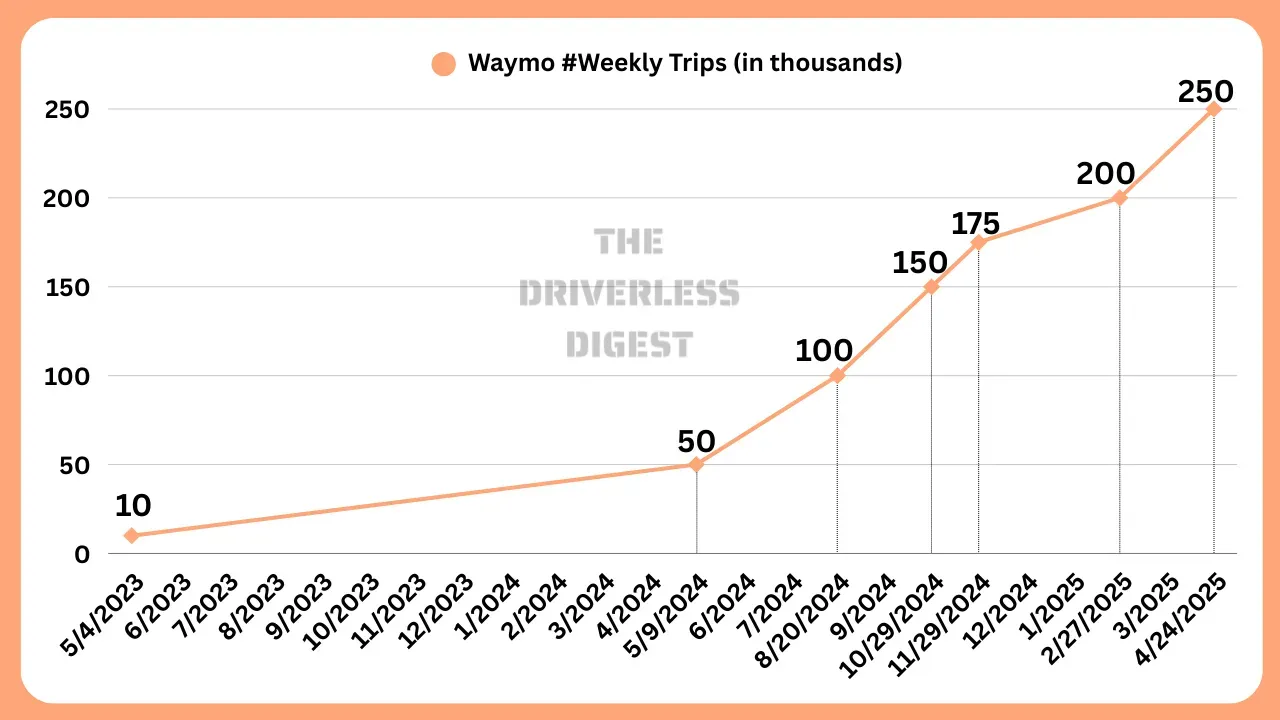
Source: The Driverless Digest
Most automakers build cars; Waymo builds the driver. That’s a different business entirely—and one they’re rapidly scaling. Licensing deals with manufacturers are the logical next step, especially since many legacy companies are better at designing cupholders than code.
And here’s where it gets interesting: next year, Waymo plans to add as many new cities as it did in the past decade combined. If it delivers, Waymo could soon be valued less like a science project and more like a business.
Beyond the Search Bar: Alphabet as Operating System
Google is no longer just a search company. Search still accounts for about 55% of revenue (as of Q3 2025), but the rest is increasingly driven by high-margin, scaling businesses: YouTube (entertainment), Google Cloud (infrastructure), Android and devices (ecosystem), Waymo (transportation), and Maps (navigation/local ads). The result is a digital ecosystem that grows smarter—and harder to escape—with every interaction.
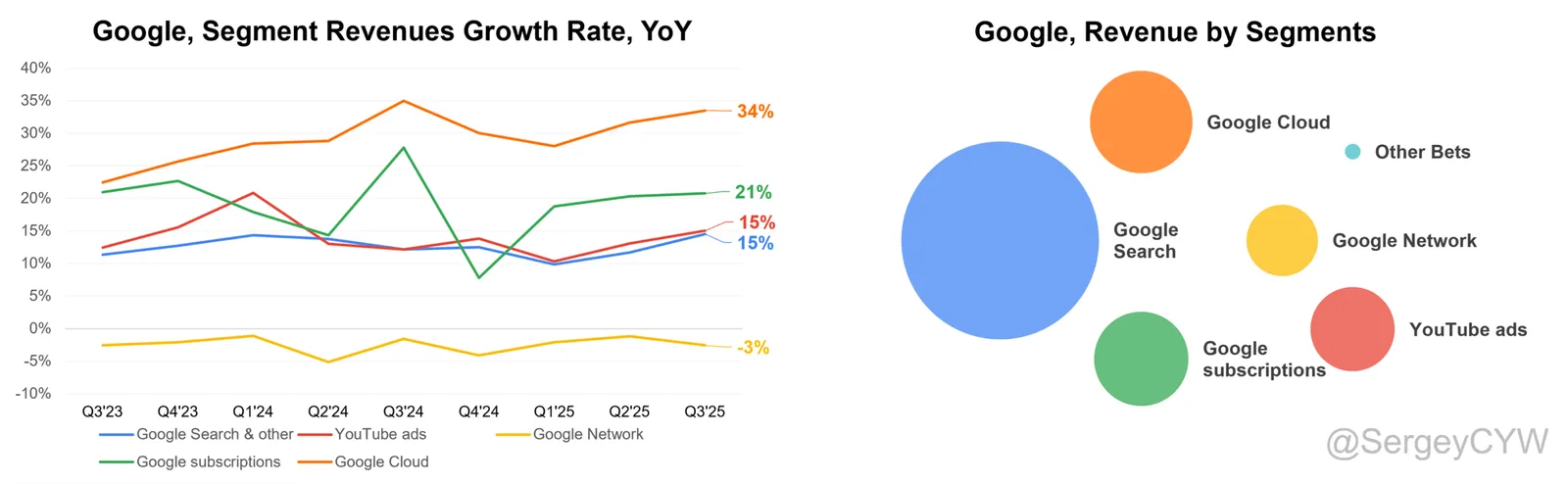
Source: Compounding Your Wealth
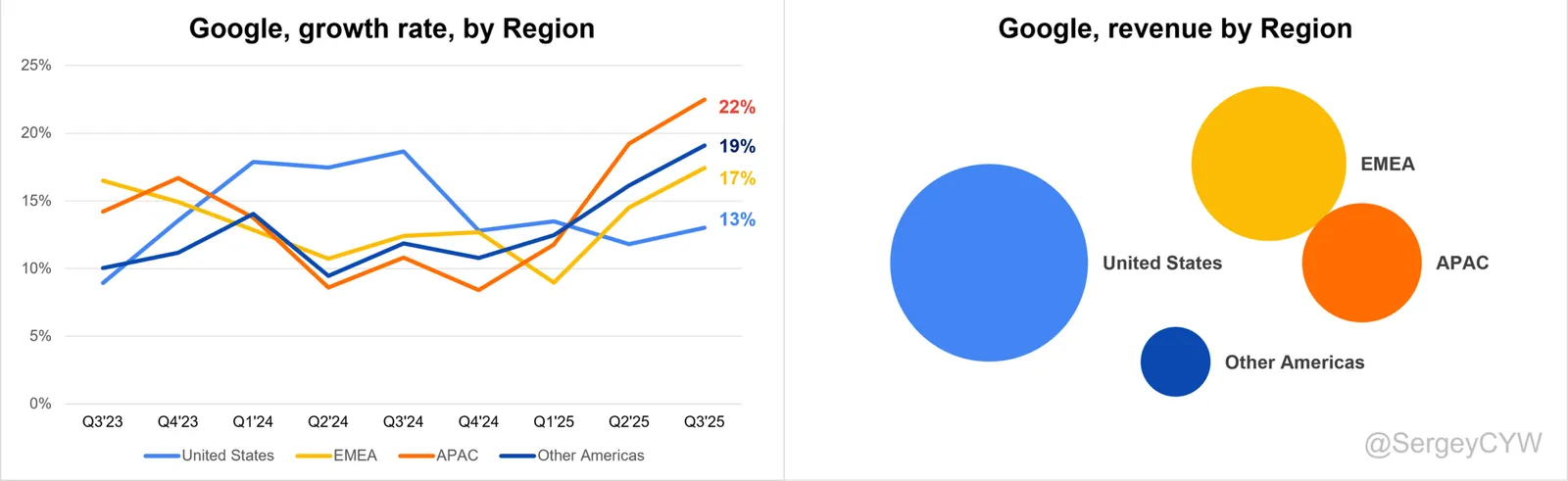
Source: Compounding Your Wealth
Vertical integration remains its special sauce. It designs its own AI chips (TPUs and Argos), runs one of the world’s largest data-center networks, and trains the foundation models behind its services. And it’s still playing the long game: DeepMind continues to publish world-class research almost weekly, and Google’s quantum team recently ran an algorithm 13,000× faster than the best supercomputers—a world first.
Google’s still chasing the horizon—and the next trillion beyond it.
The Trade Lost. The Process Won.
When we sold, the decision made sense on paper. It would have been easy to bury the mistake and move on. But our job isn’t to look smart—it’s to add value.
That’s why we track every trade: how the stock we sell performs against the one we buy to replace it. The difference is our Absolute Return Differential (ARD). On October 31st, 2025—when we made the final decision to re-purchase Google—our ARD across all trades stood at +75.3%, showing that, overall, reallocating capital has added substantial value.1

Google just wasn’t one of those wins. Between the time of selling it and our decision to re-purchase it, it significantly outperformed its replacement, Quanta Services (which still delivered a highly respectable +23.6%). Nobody bats a thousand. The goal isn’t perfection—it’s progress.
1This data reflects an internal, model-based performance measure and is not derived from actual client accounts. Results will differ based on individual portfolio composition and timing.
Humility Compounds Too
Markets forgive almost anything except self-deception. The investors who last aren’t the ones who never err—they’re the ones who study their errors until they compound into wisdom.
That’s why we track our mistakes as carefully as our wins. It’s not fun, but it’s honest—and in this business, honesty is alpha.
If you’re looking for an independent portfolio manager who values transparency as much as performance, let’s talk. We’re based in Vancouver, but our approach travels well.
Want to see how we put that philosophy into practice? Learn more about our investment process.
And remember, if your advisor never admits to a mistake, either they’re a genius—or they’ve stopped keeping score.
Ka-ching, the check is in the mail.