The Best Investment Decisions Are Often the Ones You Don't Make
By Matthew Lloyd (Director of Operations)
Reviewed and approved by James McKnight (Founder & CEO, Registered Portfolio Manager) — “The Prophet of Profit”

“These violent delights have violent ends
And in their triumph die, like fire and powder,
Which, as they kiss, consume.”
— Shakespeare, Romeo and Juliet
Political Seasons Breed Prophets (and Poor Investment Decisions)
The idea for this blog germinated during last November’s presidential election, sparked by panicked calls from clients worried that The Donald would tank the market. To a surprising extent, their predictions were correct—he DID tank the market. But what happened next? The market swiftly recovered and reached new highs:
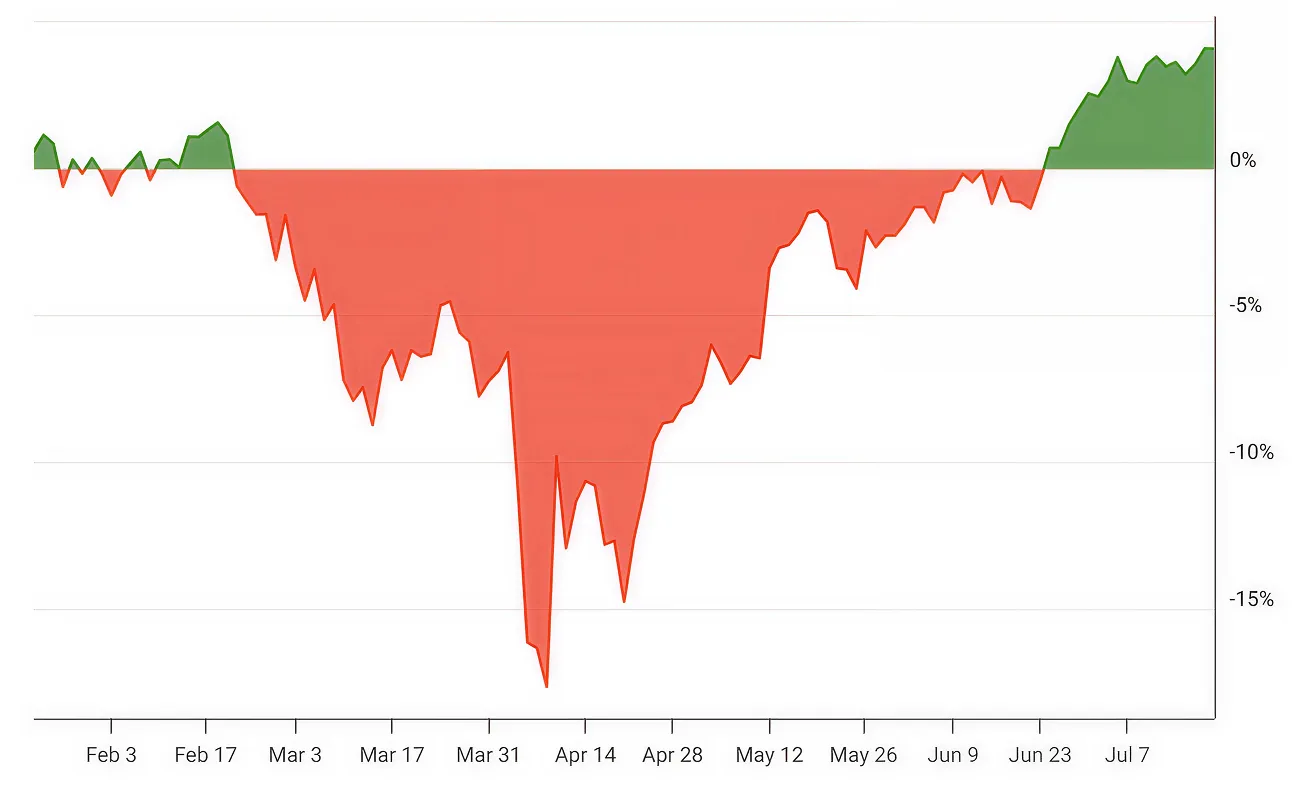
Source: Macrotrends
During political seasons, everyone succumbs to electoral delirium and is possessed by the certainty of knowing too much and understanding too little. But remember the old market axiom: it’s better to be embarrassed by your caution than ruined by your courage.
The Ugly Math of Market Timing
Cash feels like a safe harbor as uncertainty swirls. But consider what it takes to win the market-timing triple crown:
- Spotting the drop
- Timing the moment to flee
- Timing the moment to return
Batting .666 on each call would make you the Babe Ruth of active investors and still result in a dismal 28.75% chance of getting all three right. Vegas offers better odds. We recommend Vegas; it’s more fun and it’ll probably cost you less.
Election Trades Look Smart—Until They Don’t
Investing isn’t complicated—people just make it that way. Timing the market is dumb. Owning great companies long-term isn’t. Consider how quickly things reversed for a basket of “Trump winners” (the 43% of the S&P 500 that outperformed the index after his election victory):
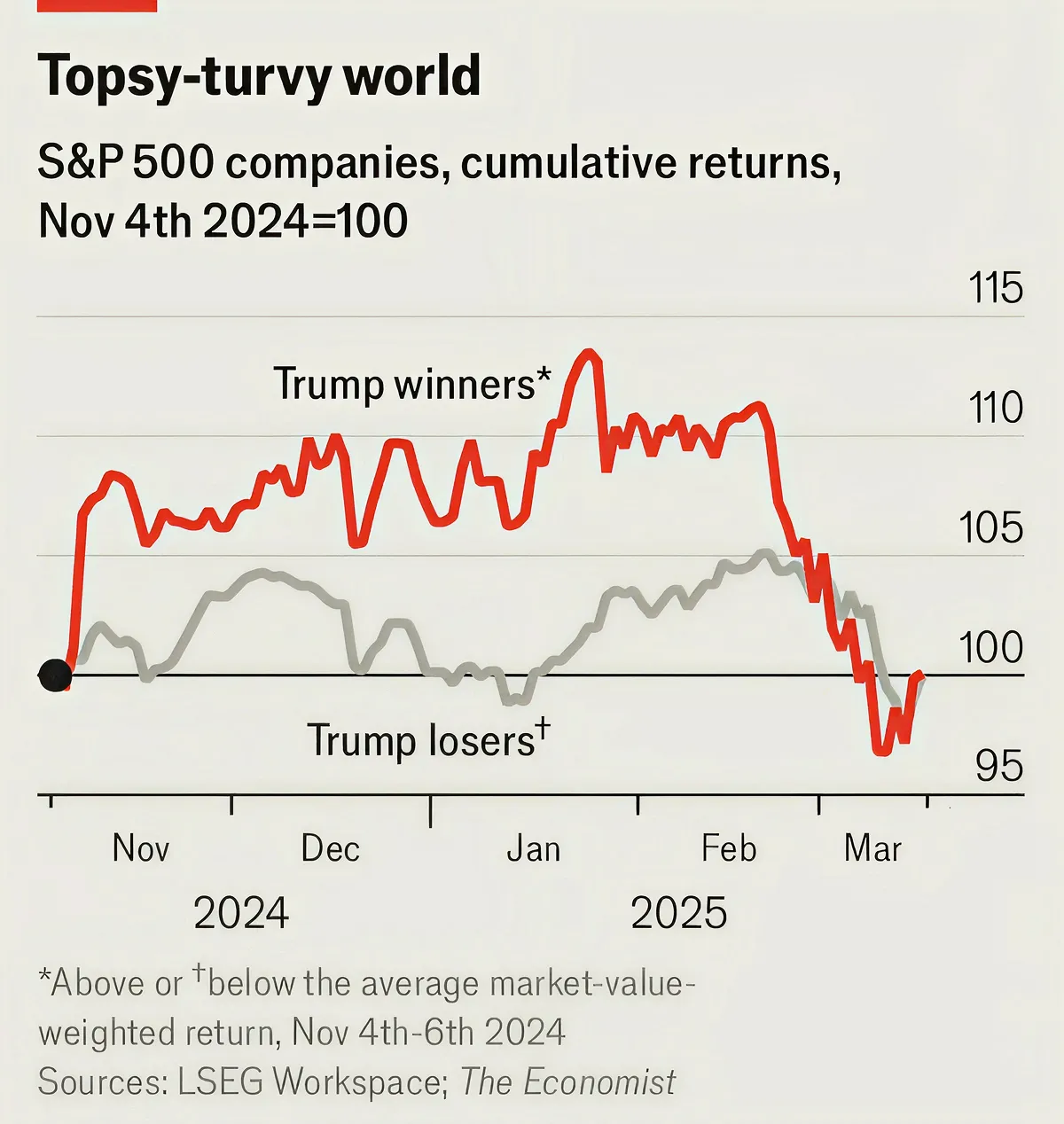
Source: The Economist
Time in the Market Beats Timing the Market
Over the long term, the market goes up—and the longer you stay invested, the more likely you are to benefit:
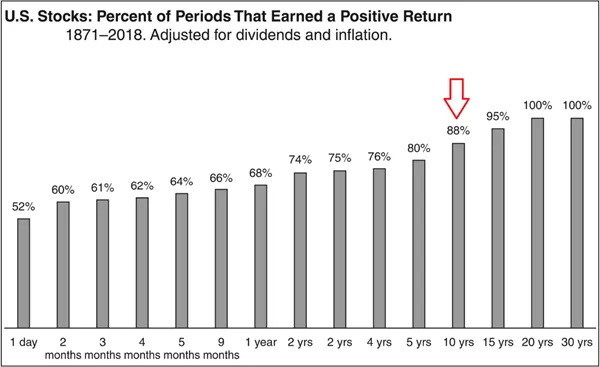
Source: Morgan Housel
Market timers play a losing game. A recent study found that just 9 days accounted for all of the stock market’s gains in 2024! If you sat on the sidelines waiting for the “perfect entry,” you missed the entire show.
What about the long-term picture? A study of the S&P 500 from 1995 to 2023 found the following annualized returns:
- 7.7% if you remained fully invested
- 5.9% if you missed the best 5 days (23% lower annual return)
- 4.7% if you missed the best 10 days (40% lower)
- 1.1% if you missed the best 30 days (85% lower)
“The big money is not in the buying and selling, but in the waiting.” —Charlie Munger
The financial industry loves action the way Shakespeare loved tragedy. There's an inherent bias toward doing something—anything. Is it arrogance? Is it commission-based incentives, or a need to lock-in annual bonuses? Whatever the reason, it may not be in your best interest.
Want Better Returns? Do Less.
Being right about what happens means nothing if you're wrong about when. In investing, timing is everything—and market timing is usually a disaster.
At Wealth Preservation Management, we're not afraid to do nothing. In fact, we believe it’s a big part of our success:
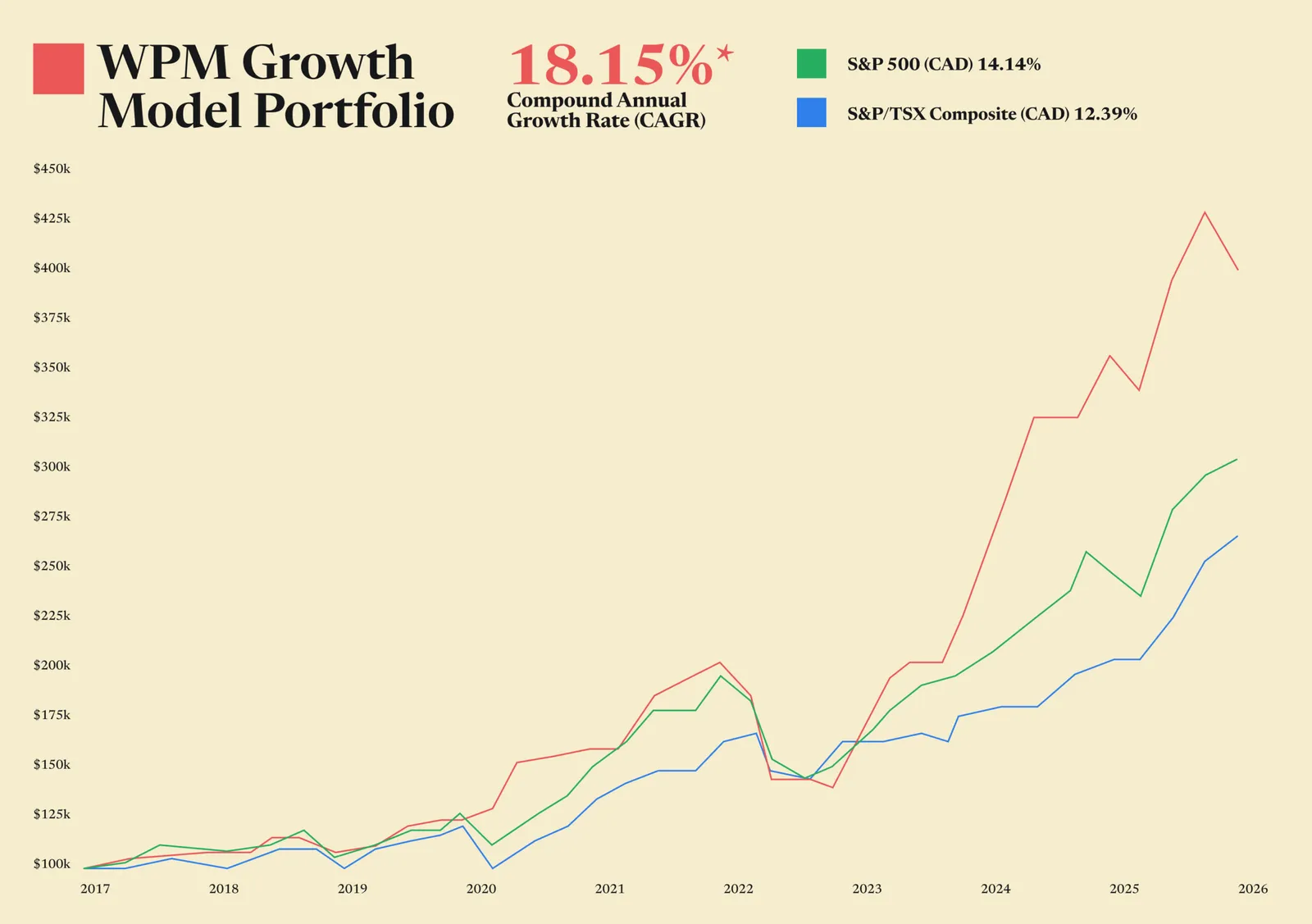
*CAGR independently recalculated by DeVisser Gray LLP. Click here for their report. Return is shown in Canadian dollars, gross of WPM's 2% fee. Past performance doesn't guarantee future results. Investing involves risk, including the possibility of losing money. WPM was registered with the BCSC in March 2023, though the same portfolio manager, James McKnight, has managed the Growth Model Portfolio continuously since inception. Details on benchmark selection here. Details on performance calculations here.
While others chase political prophecies like dogs chasing firetrucks, we stick to our strategy: buy and hold great companies. In the end, the best investment decisions are often the ones you don't make.
Ka-ching, the check is in the mail.